Winter Barley
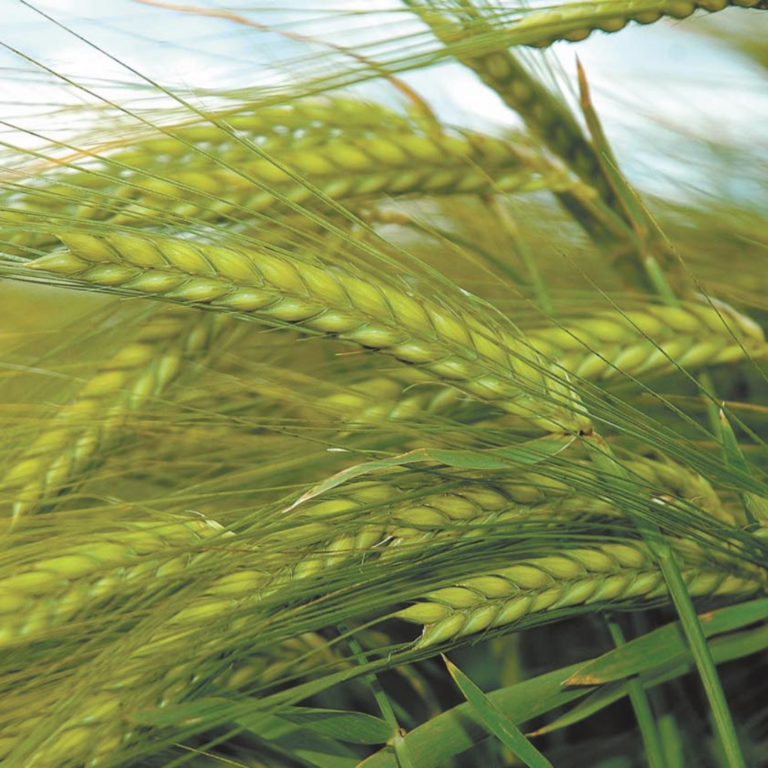
Warm weather following rainfall over Easter resulted in rapid crop growth and development during early May. Following a dry spring, winter barley is relatively disease free with low levels of rhynchosporium and net blotch. However, there is no room for complacency, as attention shifts to the increasing threat from ramularia and keeping it at bay for as long possible during grain filling. Ramularia is triggered by crop stress, typically induced by the shift in sugars to the developing grain following pollination but is also exacerbated by large swings in day and night temperature, complex tank mixes and rapid growth, all of which some crops experienced this spring. Fungicides were applied as awns emerge, the optimum time to targeting ramularia, with best protection from stacked SDHI /azole and SDHI/azole chemistry, e.g. Ascra or Verydor applied along with folpet.
Winter Wheat
Wheat crops are also very clean, with little septoria in the upper canopy. Many T1 fungicides were applied around Easter, coinciding with the last significant rainfall and protected leaf three and the upper canopy from septoria infection.
Yellow Rust continues to be a threat in many varieties, including Fitzroy and Graham, with scarring from dried up infection and active pustules visible. Vigilant crop walking has been essential between T1 and T2 with fungicide plans modified to include tebuconazole where necessary to help prevent yellow rust spreading up through the canopy.
While it has been a low-pressure disease season with little rainfall it is interesting to note the significant increase in septoria infection on leaf three in several of the untreated plots at the trials farm, with symptoms now visible induced by the rains three weeks ago. This highlights the importance of a well-timed T1 fungicide applied to leaf three and its role in preventing septoria spreading up through the crop to important yield contributing leaves.
Final T3 wheat fungicides will be applied during flowering to help reduce the risk of fusarium and maintain grain quality through to harvest.
Spring cereals got off to a good start, but growth on lighter ground has slowed in recent days with crops in need of some more rain. In the absence of disease, management has focused on weed control, growth regulation and foliar nutrition to help alleviate deficiencies and drought stress.
Potatoes
With excellent soil conditions, potato planting is almost complete and with soils warming, crops have been quick to emerge. Brief showers mid-May provided some much-needed soil moisture just in time for residual herbicide applications.
Some early varieties have been irrigated on lighter ground around Comber and the Ards Peninsula to relieve drought stress and encourage bulking. The dry weather has resulted in low relative humidity, helping to keep blight risk low, however, risk is high in irrigated crops and with unsettled weather in the forecast, blight pressure will increase.
With changes in potato blight populations and the loss of active ingredients, adhering to a well-planned blight control programme is vital, mixing products and alternating active ingredients and modes of action throughout the programme. Emerging leaves are every susceptible to blight so it is critical to start blight control early matching products to crop development.
For more information on potato blight management and help planning an effective programme for your crop, contact your local Fane Valley Agronomist or the Office on 028 9261 0485