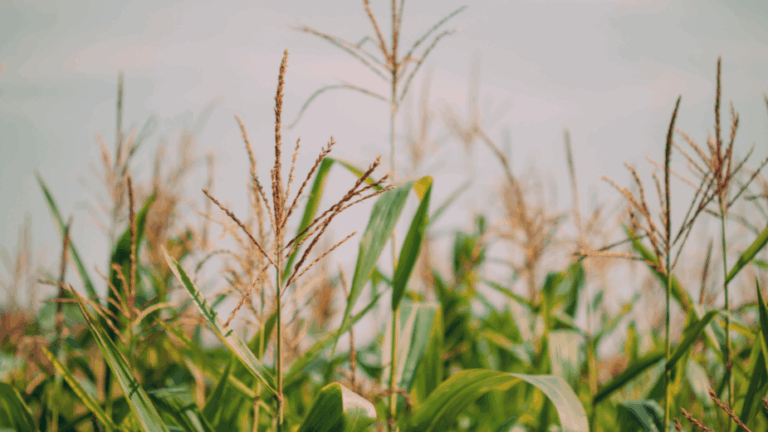
Harvesting maize at the optimal time is crucial for maximising quality, yield and animal performance on UK farms. The main target for harvest is the crop’s dry matter (DM) content, which should ideally be between 30–35%. This is because, at this stage, starch development in the grain is at its peak this should ideally be 30% or above, directly benefiting cattle nutrition and milk production. Regular inspections are essential, as maize matures quickly during the final growth stages, particularly with our unpredictable weather. Once the crop reaches the target DM, harvesting should commence promptly to minimise in-field losses and avoid deterioration in quality.
There are a few practical indicators to help judge when maize is ready for harvest:
- Kernel milk line: As starch fills the maize kernels, the milk line recedes, indicating increasing maturity. Ideally the milk line should be 1/3 of the way up the kernel and at the kernel at the hard dough stage.
- Dry matter assessment: The most accurate method is to chop samples, weigh, dry and calculate the DM content.
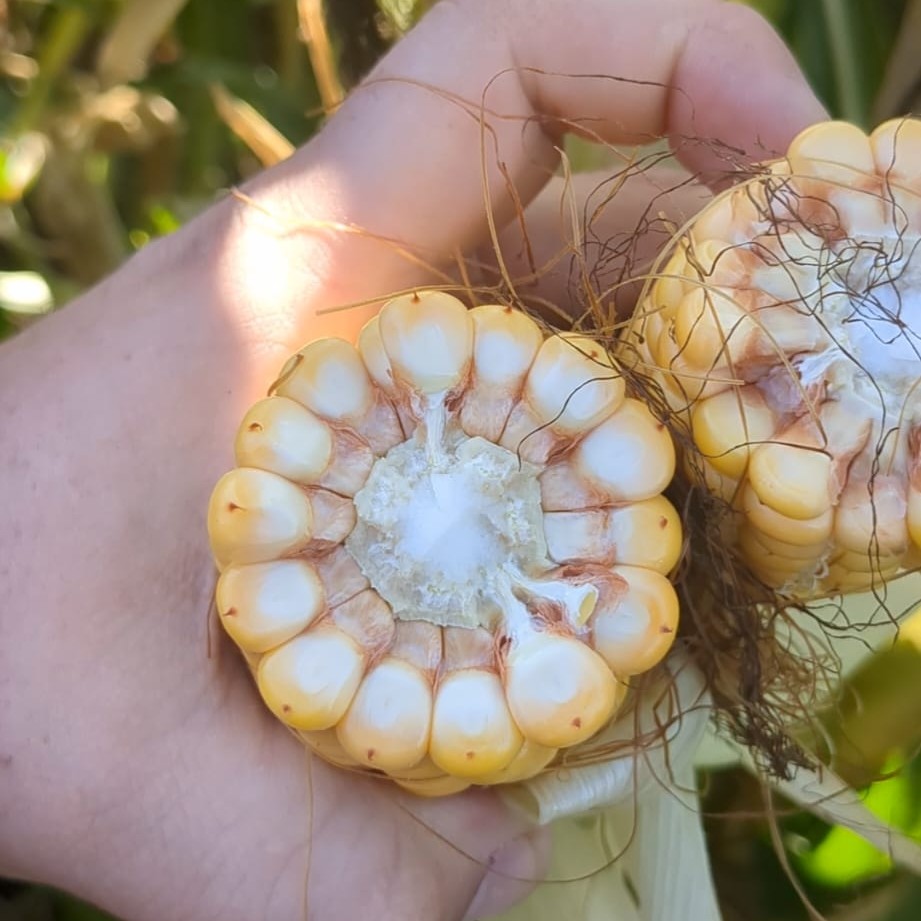
Harvesting outside of this can compromise forage quality and yield. If taken too early, the silage will have low starch and may suffer from effluent losses. If harvested too late, the crop becomes coarse and less digestible and will have a lower fresh weight yield.
Chop length and kernel processing is important when harvesting maize to improve feed out, intakes and digestibility. For livestock a chop length of 15-25mm is recommended to prevent sorting and give valuable “scratch factor” to the diet, the kernel should also be broken into a minimum of 4 pieces to ensure the grain will be digested by the animal.
Maize is particularly vulnerable to mycotoxins, which are toxins principally produced by Fusarium moulds in the field and can worsen during ensiling. High moisture, delayed harvesting and variable weather conditions all encourage fungal development and mycotoxin formation. In cattle, mycotoxins can cause reduced feed intake, poor fertility, loose dung and lower milk yields—posing significant threats to both profitability and animal health.
Preserving forage maize effectively relies not just on timely harvest but also on achieving good fermentation. This is where silage additives like Magniva are invaluable. Magniva contains specific strains of beneficial bacteria that rapidly reduce silage pH, outcompeting spoilage organisms and ensuring stable, efficient fermentation. Scientific studies show Magniva can cut dry matter losses by up to 29%, reduce undesirable acid production and vastly increase aerobic stability at feed-out. Its use also suppresses yeasts and moulds, thereby lowering the risk of mycotoxin formation both during storage and at feeding. This preserves valuable nutrients, improves silage palatability and can result in higher milk yields thanks to better intake and digestibility.
Find out more about harvesting maize at the correct stage and Magniva silage inoculants by contacting your local Fane Valley Agronomist or calling 028 9261 0485.